Kensington High Street upholstery cleaning guide for shops
Posted on 15/05/2026
If you run a shop on Kensington High Street, you already know the details matter. The right lighting, a tidy window display, a welcoming doorway - and yes, the condition of your upholstered seating, waiting benches, fitting-room stools, and consultation chairs. This Kensington High Street upholstery cleaning guide for shops is built for busy retail spaces that need to look polished without creating extra hassle for staff.
In a place like Kensington, where presentation can shape first impressions in seconds, upholstery cleaning is not just a cosmetic nice-to-have. It supports hygiene, protects fabrics, and helps your shop feel cared for. Truth be told, tired upholstery can quietly drag down an otherwise excellent customer experience. The good news? With the right approach, it is very manageable.
This guide explains how shop upholstery cleaning works, what benefits to expect, which methods suit different fabrics, and how to avoid common mistakes that cause damage or downtime. You will also find a practical checklist, a comparison table, a real-world example, and answers to the questions people actually ask before booking a clean.

Why Kensington High Street upholstery cleaning guide for shops Matters
Shops on Kensington High Street tend to live or die by atmosphere. Customers do not always walk in planning to inspect every surface, but they notice the feeling of a place almost immediately. A stained armchair, a dusty banquette, or a faint smell from old fabric can create doubt before a member of staff has even said hello.
That is why upholstery cleaning matters so much in retail. It keeps seating and soft furnishings looking professional, but it also helps preserve the materials underneath. Dust, body oils, drink splashes, makeup, retail grime, and daily friction all work their way into fabric over time. Left alone, they can build up quietly. Not dramatic, just steady. And that is often worse, because by the time the problem is obvious, the fabric may need more than a simple refresh.
For shop owners, managers, and facilities teams, upholstery care also supports your wider brand presentation. If you are investing in shopfront upkeep, polished glass, and quality merchandising, worn upholstery sends the wrong signal. It can make a premium retail space feel less premium. Not ideal, especially in an area where expectations are high.
There is also a practical side. Clean upholstery can reduce odours, improve the feel of customer seating, and create a more pleasant environment for staff during long shifts. That matters in smaller shops where every inch of space has to earn its keep.
If your business already uses professional cleaning for carpets or hard floors, upholstery should sit in the same maintenance plan. You can see the broader approach in our commercial cleaning services overview, which helps keep every surface working together instead of looking patched and piecemeal.
How Kensington High Street upholstery cleaning guide for shops Works
Shop upholstery cleaning is not one single process. It depends on the fabric, the construction of the furniture, how much use the piece gets, and how quickly you need it back in service. A good cleaner will start with inspection rather than diving straight in with a machine. That first look tells them a lot.
Typically, the process begins with fibre identification and spot testing. Different materials react differently to water, heat, agitation, and detergents. What works well on a synthetic waiting chair may be wrong for wool blend seating or a delicate decorative stool. A careful test on a hidden area helps reduce the risk of colour bleed or shrinkage.
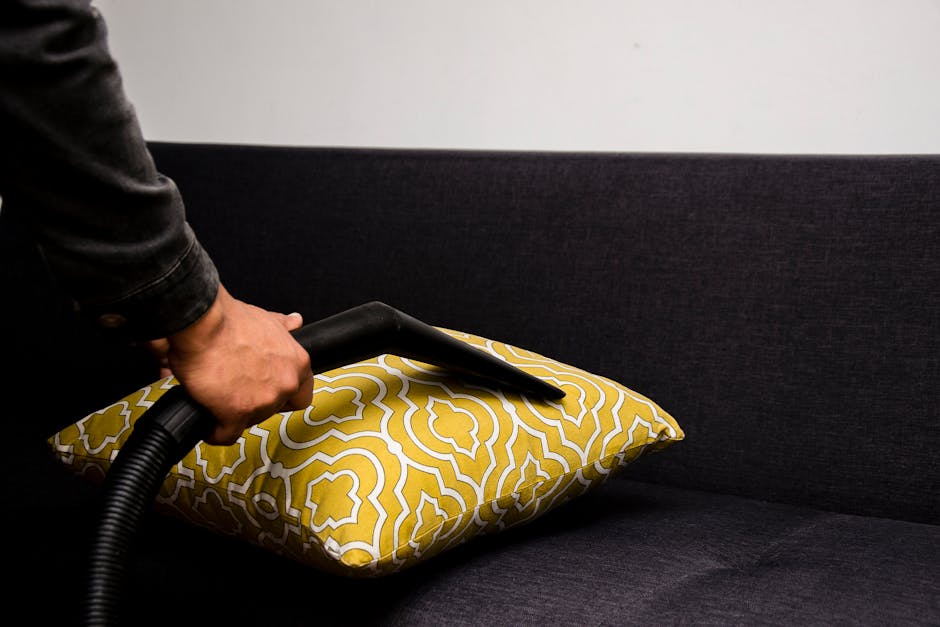
Then comes dry soil removal. This step is easy to overlook, but it matters. Vacuuming, brushing, and detail work around seams remove loose grit before moisture is introduced. If that stage is skipped, dirt can turn into muddy residue and get driven deeper into the fabric. To be fair, it is the unglamorous part that often makes the biggest difference.
After that, the cleaner chooses a method. Common approaches include hot water extraction, low-moisture cleaning, foam cleaning, and targeted stain treatment. Some pieces need quick-drying methods to reduce downtime in trading hours. Others need slower, more controlled cleaning because the fabric is more delicate or the contamination is heavier.
Finally, drying and finishing. This means checking for lingering marks, grooming the pile where relevant, and making sure the furniture is usable again. In a shop, that last stage really matters. Nobody wants a freshly cleaned chair that stays damp until lunchtime.
For larger retail environments with mixed surfaces, it often makes sense to coordinate upholstery work with floor cleaning and broader hygiene schedules. If that is part of your plan, our carpet cleaning service page may help you compare what can be done together to reduce disruption.
Key Benefits and Practical Advantages
There are obvious benefits to clean upholstery, but the less obvious ones are often the most valuable for a shop. Here is what usually changes when the soft furnishings are properly maintained.
- Better first impressions: Customers notice clean seating and consultation areas before they consciously register them.
- Improved hygiene: Regular cleaning removes embedded dust, everyday grime, and many common surface contaminants.
- Longer fabric life: Removing abrasive dirt helps reduce wear on fibres and seams.
- Fewer odours: Fabric can trap smells from food, drinks, damp coats, perfume, and heavy footfall.
- Better staff comfort: Staff lounges, break seating, and customer-facing chairs all feel better when they are clean.
- More consistent brand presentation: Fresh upholstery supports a premium, cared-for look.
- Reduced replacement pressure: Good cleaning can delay the need to reupholster or replace furniture.
In practical terms, that means a tidier shop, smoother customer interactions, and less risk of one faded chair becoming the thing people remember. And yes, people do remember odd little things. A sticky armrest, a water stain, a stale smell near the till - funny how fast it sticks in the mind.
Another benefit is flexibility. If your shop has areas that change function through the day - a seating corner in the morning, a waiting area in the afternoon, an appointment desk in the evening - clean upholstery helps those spaces feel adaptable and ready. It sounds small, but in retail, small is often where the experience lives.
Who This Is For and When It Makes Sense
This guide is useful for a wide range of Kensington High Street businesses. If you have upholstered furniture that customers, staff, or clients touch regularly, you are in scope. That includes shops with fitting rooms, reception seating, beauty counters, lifestyle showrooms, boutique retail spaces, and hybrid premises with consultation areas.
It also makes sense for:
- shop managers responsible for presentation and hygiene
- independent retailers trying to protect a polished brand image
- chain stores with regional maintenance schedules
- visual merchandisers who need the whole space to feel finished
- facility teams coordinating cleaning around opening hours
- landlords or leaseholders preparing a unit for handover
There are a few signs that a professional clean is due. Some are obvious, some are subtle. If a chair looks darker in the arm rests than at the back, if there is a faint odour when the shop is warm, if customers avoid using the seating without saying why, those are clues. Also, if regular vacuuming does not lift the dust and fluff anymore, the fabric is likely holding more than surface dirt.
It can also make sense before seasonal peaks, after refurbishments, or following a spill incident. Retail spaces near busy streets like Kensington High Street can collect more airborne dust and foot traffic residue than people expect. That does not mean you need constant deep cleaning. It does mean you need a sensible plan.
Step-by-Step Guidance
If you want a clean that lasts, the process matters. Here is a sensible step-by-step approach for shop upholstery cleaning.
- Identify the furniture and fabric. Check labels, manufacturer guidance, and any existing care instructions. If the tag is missing, a professional should test carefully before proceeding.
- Assess the condition. Look for stains, wear, loose stitching, colour sensitivity, and any hidden damage around seams or zips.
- Clear the area. Remove nearby stock, display items, and anything that could be splashed or knocked over. A clean run saves time later.
- Vacuum thoroughly. Use attachments to get into seams, piping, and corners. Dry soil removal is not optional, really.
- Pre-treat targeted marks. Apply the right stain treatment for the type of spill or contamination, keeping dwell time controlled.
- Select the right cleaning method. Hot water extraction, low-moisture cleaning, or delicate foam treatment should match the fabric and usage level.
- Rinse or neutralise where needed. This helps reduce residue, which can attract dirt later if left behind.
- Speed up drying safely. Air movement, ventilation, and sensible scheduling reduce downtime. Avoid oversaturating the fabric in the first place.
- Inspect the results. Check under light from different angles. Some marks only show when the fabric is nearly dry.
- Plan maintenance. Note what worked, what did not, and when the next clean should happen.
A good cleaner will also talk through what not to do. That discussion is useful. For example, some fabrics should never be scrubbed aggressively, and some stains look worse if they are touched too early. Small details, big consequences.
Expert Tips for Better Results
Here is where the difference between a basic clean and a smart, retail-friendly clean really shows up.
1. Match the method to the fabric, not the other way round
It sounds obvious, but it is one of the most common failure points. Cotton blends, synthetics, wool-rich fabrics, faux leather finishes, and textured upholstery all need different handling. A one-size-fits-all approach is rarely the right one.
2. Clean before the dirt becomes visible
Retail staff often notice upholstery only once it looks obviously dirty. By then, the fibre may already be carrying a lot of hidden soil. Scheduled maintenance usually gives better results than emergency cleaning after a spill.
3. Pay attention to high-contact zones
Armrests, seat fronts, and head-height areas tend to show wear first. Focusing only on the centre of a seat can leave the most used parts looking tired. Slightly annoying, but true.
4. Control moisture carefully
Too much water can lead to longer drying times, watermarking, and fabric distortion. In a working shop, that creates avoidable disruption. Lower-moisture methods are often the better choice where speed matters.
5. Keep a stain log
It helps more than people think. If the same mark appears repeatedly near a coffee counter, fitting-room bench, or waiting area, you can adjust cleaning frequency or improve protective measures.
One small but useful habit: do a five-minute visual check at opening and again near closing, especially after busy days. It catches problems early. And honestly, it is often the difference between a manageable spot and a lasting stain.
If your shop also manages hard floors, shared reception spaces, or customer toilets, you may want a joined-up cleaning plan. Our end of tenancy cleaning information can be useful if you are preparing a unit for changeover, while our office cleaning page may help if your retail space includes back-office or staff areas too.
Common Mistakes to Avoid
Some upholstery damage comes from the cleaning itself, not the dirt. That is frustrating, because it is avoidable. Here are the mistakes worth steering clear of.
- Using the wrong product on the wrong fabric: This can cause dye transfer, residue, or fibre damage.
- Over-wetting the upholstery: Excess moisture can create long drying times and make marks spread.
- Scrubbing stains aggressively: This often pushes the stain deeper or roughs up the pile.
- Ignoring hidden areas: The backs, sides, and undersides often hold dust and odours that spread again later.
- Leaving cleaning too long between visits: Dirt becomes embedded, and the work becomes slower and costlier.
- Forgetting about traffic patterns: High-use areas need more attention than decorative seating.
- Not checking drying conditions: Cleaning near closing time without airflow can leave the shop damp the next morning.
A simple example: if a white fabric stool gets a coffee splash and someone immediately attacks it with a cloth and strong cleaner, the stain can spread into a larger patch. The better move is often to blot gently, isolate the area, and treat it properly. A calm response beats a frantic one. Most times anyway.
Tools, Resources and Recommendations
You do not need a warehouse full of equipment to maintain shop upholstery, but the right tools do make a difference. For routine care, these are the basics worth having.
- Vacuum with upholstery attachment: Essential for removing dry dust and debris from seams and edges.
- Soft brush: Useful for loosening surface dust without roughing the fibres.
- Microfibre cloths: Good for gentle blotting and quick spot care.
- Fabric-safe spot cleaner: Keep one that suits your most common upholstery type, rather than a random all-purpose spray.
- White absorbent towels: Handy for blotting without transferring dye.
- Fan or air mover: Helps reduce drying time after a deeper clean.
- Fibre identification card or care notes: A simple record can prevent guesswork later.
For shops with regular footfall, a maintenance schedule is probably the most useful resource of all. It does not need to be fancy. A short note in the diary with dates, areas cleaned, stain issues, and next review date is often enough to keep things on track.
If you are trying to build a wider retail maintenance plan, it can help to look at specialist guidance for other spaces too, such as our patient room cleaning information for more hygiene-sensitive environments or our warehouse cleaning page if your business includes stockholding areas alongside the shop floor.
Law, Compliance, Standards, or Best Practice
Upholstery cleaning in a shop is not usually a heavily regulated activity in itself, but it still sits within normal workplace safety and hygiene responsibilities. In the UK, business owners and managers are generally expected to maintain a safe, reasonably clean environment for staff and visitors. That does not mean chasing perfection. It does mean keeping on top of foreseeable risks.
From a practical perspective, that includes using cleaning chemicals carefully, storing products safely, and following manufacturer instructions on both the chemical and the furniture. If a fabric care label says a certain method is unsuitable, it is wise to respect that rather than hoping for the best. Hope is not a cleaning plan.
There are a few best-practice principles worth following:
- Use trained operatives for specialist fabrics: Delicate upholstery is not ideal for trial and error.
- Keep records: Cleaning dates, product types, and any issues help with accountability and planning.
- Manage slips and trip risks: Wet cleaning should be planned so customers and staff are not walking into fresh moisture.
- Ventilate where possible: This helps drying and reduces lingering odours.
- Follow COSHH-style good practice: Chemical handling should be sensible, controlled, and staff-aware.
If your premises also include public seating, changing areas, or other customer-touch points, a broader cleaning and risk awareness approach is useful. Keep it simple, keep it documented, and avoid overcomplicating what should be a straightforward routine.
Options, Methods, or Comparison Table
Different upholstery cleaning methods suit different shop settings. The best option depends on fabric type, drying time, traffic levels, and how much disruption you can tolerate during trading hours.
| Method | Best for | Advantages | Things to watch |
|---|---|---|---|
| Hot water extraction | Durable synthetic upholstery and heavily used seating | Deep cleaning, strong soil removal, good for embedded grime | Longer drying time, not ideal for moisture-sensitive fabrics |
| Low-moisture cleaning | Retail spaces needing faster turnaround | Quicker drying, less disruption, useful between trading periods | May need more frequent maintenance for high soil levels |
| Foam cleaning | Delicate fabrics or lighter surface cleaning | Controlled application, reduced wetting | Not always enough for deep contamination |
| Spot treatment | Single spills and local marks | Fast, targeted, useful for minor incidents | Can leave rings or spread stains if done badly |
For many Kensington High Street shops, the most effective plan is a mix: regular vacuuming, quick spot care, and scheduled professional cleaning for the deeper refresh. Not dramatic. Just practical.
Case Study or Real-World Example
Imagine a boutique on Kensington High Street with a couple of upholstered benches near the fitting rooms and two small consultation chairs by the till. The benches look fine at a glance, but staff notice one is becoming slightly darker on the seat edge, and the chairs have a faint perfume-and-dust smell by late afternoon.
Rather than waiting for the upholstery to look visibly dirty, the manager arranges a scheduled clean before a weekend promotion. The cleaner checks the fabric, vacuums the seams, treats small marks near the arm area, and uses a low-moisture method so the seating can be back in use the same day. The benches look brighter, the odour drops away, and the whole space feels more considered.
That is the kind of result many shops want. Nothing flashy. Just a fresher, more welcoming feel that supports the rest of the customer experience. And because the issue was handled before it became a bigger problem, there was no rush, no last-minute cover-up, no awkward "please don't sit there yet" moment.
The lesson is simple: upholstery cleaning works best as part of a plan, not as a panic response.
Practical Checklist
Use this checklist before booking or carrying out upholstery cleaning in your shop.
- Identify every upholstered item that customers or staff use
- Check fabric care labels or manufacturer notes where available
- Note current stains, odours, wear, and any delicate areas
- Decide which items need spot treatment and which need full cleaning
- Choose a method that suits the fabric and trading schedule
- Clear nearby stock and protect the surrounding area
- Confirm drying time and when the furniture can return to use
- Keep staff informed so no one uses the furniture too early
- Record the cleaning date and any recurring issues
- Set a follow-up review for routine maintenance
Expert summary: The best upholstery cleaning for shops is not always the deepest possible clean. It is the clean that suits the fabric, fits the trading schedule, and leaves the space looking good without causing avoidable downtime.
Conclusion
Keeping shop upholstery clean on Kensington High Street is part presentation, part hygiene, and part smart maintenance. Done well, it helps your retail space feel professional, welcoming, and properly cared for. Done badly, or left too long, it can quietly undermine the atmosphere you have worked hard to build.
The best approach is usually straightforward: inspect carefully, clean with the right method, protect the fabric from unnecessary wear, and keep a sensible maintenance rhythm. Small habits make a noticeable difference. They always do.
If your shop is ready for a fresher, better-presented interior, the next step is to review the fabrics you use, look at where the heaviest wear happens, and decide whether you need a one-off refresh or a regular cleaning plan. That little bit of planning can save money, time, and more than a few awkward looks from customers who notice everything.
Get a free quote today and see how much you can save.
And if you make the space feel just a bit more cared for, people notice. They really do.