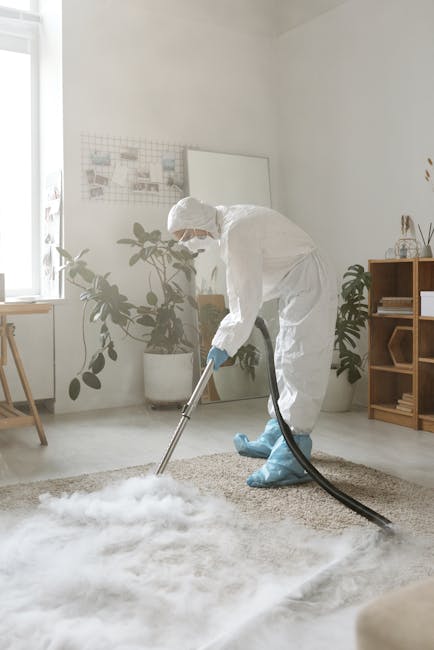
What to expect from licensed carpet cleaning technicians in Kensington
If you are booking a carpet clean in Kensington, the difference between a decent job and a genuinely professional one usually shows up before a single hose is unpacked. Licensed carpet cleaning technicians should arrive prepared, explain what they are doing, and treat your home or business with care. That sounds basic, but let's face it, not every service does the basics well.
In practical terms, what to expect from licensed carpet cleaning technicians in Kensington is a mix of technical know-how, safe working practices, clear communication, and a finish that looks better without leaving the room damp for half the week. In this guide, we'll walk through the whole experience: how the visit typically works, what standards matter, what questions to ask, and how to judge whether the technician is doing proper work or just making a lot of noise.
Whether you live in a terraced flat, manage a townhouse, or need help with a commercial space, this is the sort of detail that saves time, protects flooring, and reduces the chance of avoidable mistakes. And yes, it can save a bit of money too.
Why What to expect from licensed carpet cleaning technicians in Kensington Matters
Carpet cleaning looks simple from the outside. Spray, scrub, extract, done. But in real homes and workplaces, carpets hold onto far more than visible dust. They can trap grit from shoes, pet odours, drink spills, allergens, and that general lived-in smell that builds slowly until one day you notice it every time you walk in.
Licensed technicians matter because they are expected to work with more care, more consistency, and a better understanding of materials. That becomes especially important in Kensington, where properties often include older features, premium finishes, shared access areas, or fitted furnishings that need a more measured approach. A rushed clean can cause wicking, over-wetting, colour bleed, or flattened pile. Not ideal, really.
There is also trust to think about. A licensed technician is more likely to follow a proper process, use suitable cleaning chemistry, and take responsibility for the work they do. If you are booking through a reputable local company, you may also find useful supporting information on the company background and values, health and safety practices, and insurance and safety arrangements. Those pages help you judge whether the business is organised or just winging it.
How What to expect from licensed carpet cleaning technicians in Kensington Works
A proper carpet cleaning visit usually follows a fairly clear sequence. The exact tools and timing vary, but the logic is the same: assess first, clean second, and check the result before leaving. That order matters more than people realise.
Here is the typical flow:
- Initial inspection. The technician looks at fibre type, staining, wear patterns, access, and any problem areas such as pet spots or heavy traffic lanes.
- Pre-clean discussion. You should hear how the carpet will be cleaned, what to expect on drying time, and any risks linked to the fabric or existing damage.
- Preparation. Small items may be moved, the area is protected where needed, and the technician may test a hidden patch for colour fastness.
- Pre-treatment. Spots and high-traffic marks are usually treated before the main clean so they loosen properly.
- Main cleaning. Depending on the method, this may involve hot water extraction, steam-style cleaning, or another tailored process. On the site, a steam carpet cleaning approach may be discussed for suitable carpets, while delicate textiles may need a gentler route.
- Rinse and recovery. The technician extracts soil and moisture, then checks whether any areas need a second pass.
- Final review. You should get a walk-through so you can see what was completed and ask questions before everything is packed away.
In a flat off a busy Kensington street, for example, a good technician may take a few extra minutes to manage entry mats, hallway edges, and the route in and out. That small bit of care usually tells you more than a fancy machine ever could.
Key Benefits and Practical Advantages
The obvious benefit is cleaner carpets. But the real value often sits underneath that first impression.
- Better appearance: colours look fresher, pile looks more even, and dull traffic marks are reduced.
- Improved hygiene: professional cleaning can remove embedded dirt, dust, and some common contaminants that vacuuming leaves behind.
- Longer carpet life: grit acts like sandpaper over time, so removing it helps the fibres last longer.
- Odour reduction: spills, food smells, and pet odours often linger in the backing or underlay if they are not properly treated.
- Better furniture care: a good technician knows how to work around skirting, sofas, and fittings without causing damage.
- Less guesswork: you get a methodical process rather than trial and error with rented equipment and a hopeful attitude.
For landlords, managing agents, and busy households, another practical advantage is predictability. If a provider follows a standard process and explains the likely results honestly, you can plan around drying time, access, and follow-up cleaning more easily. That is especially helpful before move-outs, inspections, or guest arrivals. If you need a broader clean alongside carpets, services such as deep cleaning or end of tenancy cleaning can sometimes fit into the same schedule.
Expert summary: The best carpet cleaning visits are not the ones that look dramatic; they are the ones that feel calm, organised, and thorough. Clean results matter, but so does the process that gets you there.
Who This Is For and When It Makes Sense
This service is not only for people with visibly dirty carpets. In fact, many of the best-timed bookings happen before a carpet looks bad at all.
You are a strong candidate if you:
- have high footfall in hallways, reception rooms, or office areas
- live with children or pets and want to manage spots and odours properly
- are preparing for a move, inventory check, or new tenancy
- manage a commercial property that needs presentable floors for staff or visitors
- have recently completed building work and want to lift fine dust and residue
- need one-off support rather than ongoing maintenance
That last point matters. Not every property needs the same schedule. A family home might benefit from occasional carpet cleaning plus regular cleaning elsewhere in the property, while a small office may need more coordinated support across carpets, windows, or communal areas.
Sometimes the best moment to book is after a specific event: a party, a rainy season, a pet accident, or a burst of renovation dust. You can smell the difference when a room has been worked over properly. It is subtle, but real.
Step-by-Step Guidance
If you want to know what a professional visit should feel like, it helps to break it down from your side of the booking. Here is a straightforward way to think about the process.
- Describe the carpet honestly. Mention fibre type if you know it, plus stains, odours, wear, and any previous cleaning products used.
- Ask what method they recommend. Steam extraction, stain treatment, or a lower-moisture approach may all be possible depending on the carpet.
- Clarify access and parking. Kensington streets can be awkward at the best of times, so practical access details save stress.
- Prepare the room. Move smaller items, secure valuables, and clear walkways. If you are cleaning alongside other soft furnishings, consider whether upholstery cleaning or sofa cleaning should be booked too.
- Watch the pre-inspection. A competent technician should point out risks, not hide them. That includes pre-existing marks, shading, or weakened fibres.
- Check the pre-treatment stage. Stains should not be ignored or over-scrubbed. They need controlled handling.
- Monitor extraction and finishing. The carpet should not be left soggy. Excess moisture is a red flag.
- Review the result before they leave. Ask about any marks that may reappear as the carpet dries, because some stains can wick back slightly.
A small but useful detail: good technicians often explain drying time in plain language, not vague promises. If they say "you may be able to walk on it fairly soon, but keep traffic light for a few hours," that is more believable than a breezy guarantee. Truth be told, carpets do not care about optimistic scheduling.
Expert Tips for Better Results
These are the habits that make the biggest difference, and they are often missed by people booking carpet care for the first time.
- Vacuum before the appointment. It helps remove loose grit so the professional clean can focus on embedded soil.
- Point out every concern upfront. A tiny tea mark in the corner is worth mentioning if you want a better chance of removal.
- Ask about fibre-specific care. Wool, synthetic blends, and delicate rugs do not all behave the same.
- Be realistic about old damage. Some stains improve a lot; others soften but do not disappear completely.
- Allow time for drying. Avoid heavy traffic too early, especially in humid weather or poorly ventilated rooms.
- Ventilate where possible. Open windows a little if it is practical, especially on a mild day.
- Bundle related tasks thoughtfully. A carpet clean can pair well with rug cleaning, mattress cleaning, or targeted pet stain odour removal if the room needs a fuller reset.
One small human tip from experience: if a technician seems rushed during the first two minutes, that feeling usually does not improve later. The good ones slow down at the start. They ask questions. They look closely. A little slower, yes, but a lot safer.
Common Mistakes to Avoid
Most carpet cleaning problems are avoidable. The trouble is that people only notice the mistake after the fibres have already dried awkwardly.
- Choosing price alone. Cheap can be fine, but unusually low pricing sometimes means shortcuts, weak equipment, or rushed work.
- Assuming every carpet needs the same method. This is how over-wetting and fibre damage happen.
- Not mentioning old stains. If the technician does not know it is there, they cannot treat it properly.
- Using harsh spot removers before the visit. Some products make stains harder to remove or leave residues behind.
- Walking on the carpet too early. You can flatten damp fibres or bring in fresh dirt.
- Ignoring dry time advice. It may seem minor, but it really does affect the finish.
- Failing to check insurance and policies. For peace of mind, it is smart to review the provider's terms and conditions and payment and security information before booking.
And here is the classic one: people sometimes clean only the stain they can see, then wonder why the whole room still feels tired. The pile, edges, and traffic lanes matter too. It is a bit like washing only one cup in a stack of dishes. You know the result will still feel off.
Tools, Resources and Recommendations
You do not need to become a carpet technician yourself, but it helps to know what good equipment and service support look like.
| Tool or service element | What it should do | Why it matters |
|---|---|---|
| Professional extraction machine | Remove soil and moisture effectively | Helps prevent over-wetting and speeds up drying |
| Appropriate pre-spray | Loosen embedded dirt before cleaning | Improves the final result without over-scrubbing |
| Spot treatment products | Target specific stains carefully | Different stains need different handling |
| Protective pads and guards | Shield furniture or delicate surfaces | Reduces risk in furnished rooms |
| Clear aftercare guidance | Explain drying, traffic, and follow-up steps | Prevents avoidable re-soiling or carpet marks |
If you are comparing services, it can also help to look at whether the company offers related support such as stain removal, commercial carpet cleaning, or domestic cleaning. That gives you a better sense of whether they understand different property types and usage patterns.
For sustainability-minded customers, a provider's approach to waste, chemicals, and water use may matter too. If that is important to you, check their recycling and sustainability information. It is a small thing that says a lot about how the business thinks.
Law, Compliance, Standards, or Best Practice
Without getting bogged down in jargon, there are a few common-sense standards you should expect from a licensed carpet cleaning technician in the UK. These are not flashy extras. They are baseline professionalism.
First, safe working practice. Technicians should use cleaning chemicals appropriately, manage slip risks, and avoid leaving floors dangerously wet. In shared buildings or busy homes, that matters a great deal.
Second, honest descriptions. A provider should not overstate what can be removed. Some marks are permanent, and some fibres are too delicate for heavy treatment. Clear advice is more trustworthy than big promises.
Third, adequate business information. If you are paying for a service, you should be able to understand the provider's pricing, terms, and complaint route. Pages such as pricing and quotes and complaints procedure help show that the business takes customer service seriously.
Fourth, insurance awareness. A sensible technician should be able to explain how they handle accidental damage, access issues, or unsuitable materials. That is especially important in Kensington, where properties often include valuable carpets, fitted furnishings, and more complex interiors.
Good best practice is often simple: inspect, test, clean, check, explain. If a provider seems unwilling to do those steps, that is probably your answer right there.
Options, Methods, or Comparison Table
Different carpets need different methods. There is no single "best" option for every room, despite what some sales pitches imply.
| Method | Best for | Pros | Watch-outs |
|---|---|---|---|
| Hot water extraction | Most synthetic carpets and general household cleaning | Deep clean, strong soil removal, familiar industry standard | Can over-wet if used badly |
| Steam carpet cleaning | Suitable carpets needing a thorough refresh | Good for lifting embedded dirt and refreshing appearance | Not ideal for every delicate fibre |
| Low-moisture cleaning | More delicate settings or faster turnaround needs | Quicker drying, less disruption | May not suit deep-set contamination |
| Targeted stain treatment | Visible spots, isolated spills, pet accidents | Focused and practical | Not a full-room solution on its own |
If you are cleaning a whole property, the method may shift depending on the room. A hallway may need one approach, a sitting room another, and a rug something more delicate. That is why a quick inspection is so valuable.
Case Study or Real-World Example
Here is a realistic Kensington scenario. A client with a first-floor flat booked a carpet clean after noticing dull tracks in the corridor and a few dark marks near the living room sofa. Nothing dramatic, just that slowly tired look carpets get after winter. Shoes, rain, a bit of street grit, the usual story.
The technician arrived, checked the fibre type, explained the likely drying time, and flagged one stain that might lighten but not vanish completely. They pre-treated the traffic lanes, cleaned the main rooms, and paid extra attention to the edges where dust tends to sit quietly, out of sight. The client had also asked about the sofa, so the technician suggested pairing the visit with one-off cleaning support for the rest of the room rather than leaving the finishes half-done.
By the end, the carpet looked fresher and the room smelled cleaner too, which sounds obvious, but honestly that is often what people notice first. Not the shine. The freshness. The room simply felt more breathable. The client also knew exactly how long to wait before moving furniture back, which probably saved them from a few annoying marks. Small thing, big difference.
Practical Checklist
Use this before the appointment. It keeps things calm.
- Clear small furniture, toys, and loose items from the room
- Vacuum the carpet if you have time
- Point out stains, pet areas, and any wear patches
- Ask what method will be used and why
- Confirm how long drying may take
- Ask whether furniture needs to stay off the carpet afterwards
- Check what aftercare advice you will receive
- Review payment terms before the visit
- Keep pets and children out of the treated area until it is safe
- Inspect the results before the technician leaves
If your building has shared entrances, hallways, or managed access, it can be sensible to mention that early. Services like communal area cleaning may also be relevant where the carpeted space is not purely private. Little details like that make the whole job smoother.
Get a free quote today and see how much you can save.
Conclusion
What to expect from licensed carpet cleaning technicians in Kensington comes down to three things: a proper assessment, a careful cleaning process, and honest aftercare. When those pieces are in place, you get more than cleaner flooring. You get less stress, fewer surprises, and a result that actually lasts a while.
The best technicians do not just "clean carpets". They protect the fabric, respect the space, and leave you with clear next steps. That is the difference between a quick visit and a service you would confidently book again.
If you are weighing up your options, focus on clarity, not hype. A trustworthy provider will answer questions without fuss, explain the method plainly, and help you choose the right service for the room in front of you. Simple really. Well, simple once you know what to look for.
And when the room is dry, the pile has lifted, and the place feels calmer underfoot, you will know the difference straight away. It's a small comfort, but a real one.
Frequently Asked Questions
What does a licensed carpet cleaning technician actually do?
A licensed carpet cleaning technician inspects the carpet, chooses a suitable cleaning method, treats stains, cleans the fibres, extracts moisture, and gives aftercare advice. The point is not just to make the carpet look better, but to clean it safely and properly.
How long should carpet cleaning take in a Kensington home?
It depends on room size, furniture, access, stain level, and the cleaning method. A single room may be fairly quick, while a larger flat or a property with several problem areas will take longer. Good technicians explain the likely timeframe before they start.
Will carpet cleaning remove all stains?
Not always. Some stains lift well, some improve a lot, and some are permanent because they have damaged the fibre or dye. A professional should be honest about that before the work begins.
How long do carpets take to dry after professional cleaning?
Drying time varies based on method, ventilation, room temperature, and pile thickness. Faster-drying methods exist, but even then you should usually allow time before heavy use. The technician should give you a realistic estimate.
Is steam carpet cleaning safe for every carpet?
No, not every carpet is suited to the same level of moisture or heat. Delicate fibres, older carpets, or certain finishes may need a gentler approach. A proper inspection should happen first.
Should I vacuum before the technician arrives?
Yes, if you can. Vacuuming removes loose grit and dust, which helps the technician focus on deeper contamination. It is not essential every time, but it usually improves the result.
Can licensed technicians treat pet odours as well as stains?
Often, yes, but it depends on how deep the odour has travelled. Surface smells are easier to treat than older contamination that has reached the backing or underlay. In some cases, targeted pet stain odour removal is the better option.
What should I ask before booking carpet cleaning in Kensington?
Ask which method will be used, how long the job may take, how drying works, whether furniture needs moving, and what happens if a stain does not come out fully. Those questions quickly reveal how experienced the provider is.
Is carpet cleaning worth it for a rental property?
Usually, yes. Clean carpets can help a property present better at the end of a tenancy, between guests, or before new occupants move in. For some jobs, combining it with move out cleaning or end of tenancy cleaning makes practical sense.
How do I know if the company is trustworthy?
Look for clear information about insurance, safety, pricing, and terms, plus straightforward communication before the visit. A trustworthy company will not dodge basic questions or hide behind vague promises.
Can carpet cleaning be combined with other services?
Yes, and that can be efficient. Depending on the property, people often combine carpet work with sofa cleaning, rug cleaning, upholstery cleaning, or wider support such as house cleaning.
What if my building has shared areas or strict access rules?
Tell the company in advance. Shared entrances, limited parking, and managed access can all affect how the job is planned. If needed, related support such as commercial cleaning or office cleaning may be better suited for larger or managed spaces.
Do I need a quote before the visit?
Yes, that is usually the sensible route. A clear quote helps you compare options and understand what is included. It also reduces awkward surprises on the day, which nobody enjoys.