Recycling and Sustainability for Carpet Cleaners SW7
 At Carpet Cleaners SW7, sustainability is built into the way we plan, clean, collect, and dispose of waste. Our approach to recycling carpet cleaning waste is designed to reduce landfill use, support local reuse channels, and keep our operations aligned with London’s wider environmental goals. We aim for a minimum 80% recycling and recovery rate across suitable waste streams, including packaging, reusable materials, and separated residues where recycling is possible.
Working in SW7 means serving an area that values tidy streets, efficient services, and responsible handling of waste. We pay close attention to how different boroughs manage waste separation, including mixed recycling, food waste, and residual rubbish. That matters because carpet and upholstery cleaning can generate a range of materials, from plastic wrap and empty containers to collected fibres and used absorbents. Where possible, these are sorted for reuse, recycling, or safe recovery rather than simply discarded.
 Our team also works with the local transfer station network to make sure waste travels the shortest practical route to the right processing facility. By using nearby transfer stations and authorised waste handlers, we reduce unnecessary mileage and improve sorting accuracy. This supports a cleaner chain of custody for carpet cleaner recycling activity and helps ensure that recyclable materials are separated properly before onward movement to recycling plants or recovery centres.
One important part of our sustainability programme is partnership work. We regularly channel suitable recovered items, textiles, and reusable materials into charity partnerships where they can be repurposed or passed on for community use. In a district like SW7, where many households and businesses value responsible consumption, donating eligible items helps extend product life and reduce waste. We also support charitable routes for items that are no longer needed but still useful, keeping them in circulation for longer.
 Our recycling process begins before the first collection is made. We use clearly labelled containers, separate consumables, and train staff to distinguish between general waste and recyclable material. This includes practical sorting for cardboard, plastic film, bottles, and metal components where present. In London, borough-led recycling systems often differ slightly in what they accept, so our waste handling practices are designed to be flexible and compliant with local rules. That helps Carpet Cleaners SW7 recycling activity remain efficient and reliable.
We also focus on reducing contamination, which is one of the biggest barriers to effective recycling. By preventing wet absorbents, mixed debris, or contaminated packaging from entering the wrong stream, we improve the quality of recyclable loads. In many boroughs, better separation at source supports higher recycling outcomes, and we mirror that principle in our own operational systems. The result is a more circular workflow that turns a routine cleaning service into a lower-impact service model.
Vehicle emissions are another major factor in sustainability. Our low-carbon vans help us cut transport emissions across the SW7 area and nearby neighbourhoods. These vans are selected for efficiency, lower fuel consumption, and reduced idle pollution, which is especially important in busy urban streets. We also plan routes carefully to avoid unnecessary trips, combining collections and service visits wherever practical to keep our carbon footprint down.
Alongside cleaner vehicles, we use scheduling practices that support greener operations. That includes grouping jobs geographically, reducing empty return journeys, and prioritising the most efficient disposal route for collected waste. When suitable, we direct separated materials to local transfer stations before they move on to licensed recycling facilities. This approach lowers transport impact while helping maintain compliance with borough expectations on waste separation and handling.
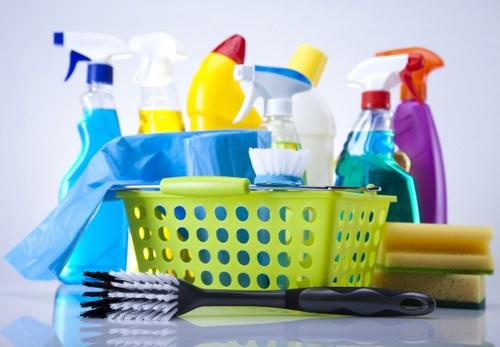
 Another key element of our sustainability work is the careful management of cleaning consumables. Refillable containers, reduced single-use packaging, and bulk purchasing all help cut waste at source. Where packaging is unavoidable, we choose materials that are easier to recycle, and we encourage the separation of paper, cardboard, and plastic components. These small choices matter when viewed across the full life cycle of Carpet Cleaners SW7 sustainability operations.
The recycling percentage target is not just a figure; it is a benchmark that guides day-to-day decisions. Our 80% target covers the maximum practical diversion of recyclable or recoverable waste from our operations, while the remaining material is treated responsibly through licensed channels. We review performance regularly and aim to improve over time through better sorting, stronger supplier choices, and smarter logistics. This keeps our carpet cleaning sustainability strategy measurable and accountable.
We also recognise that different parts of London take different approaches to household and commercial waste separation. Some boroughs place greater emphasis on dry mixed recycling, while others require more precise separation of food, paper, and residual waste. By staying aware of these local systems, SW7 carpet cleaners can operate in a way that complements the area’s waste infrastructure rather than adding pressure to it. That means better compliance and better environmental outcomes.
 Sustainability is not a separate feature of our work; it is part of the service itself. From charity partnerships and local transfer station use to low-carbon vans and careful material sorting, every step is shaped by the same goal: to reduce waste and support a cleaner future for SW7. Through responsible recycling, practical reuse, and thoughtful operations, Carpet Cleaners SW7 continues to deliver services that fit a modern, low-impact London.